What You Might Not Know About Color Matching
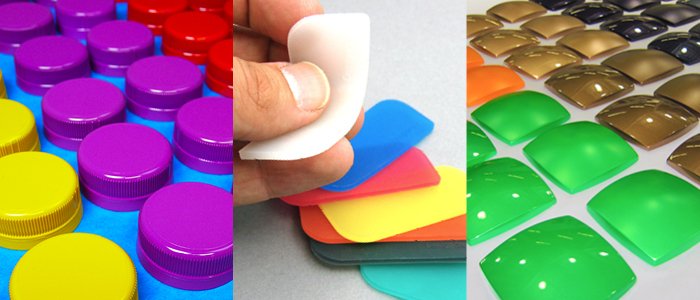
Color matching sounds simple. If your neighborhood hardware store can do it, how hard can it be?
But in our business, it’s actually one of the most misunderstood (and underestimated) parts of finishing, and a lot of behind-the-scenes effort goes into making sure we get the right result for our clients.
Here are four color-matching truths that may surprise you:
1. Color isn’t the only factor.
One of the biggest misconceptions is that color exists on its own. It doesn’t.
Color perception is affected by:
Material (plastic, metal, rubber)
Prototypes are often made of several different materials, and getting colors to match across substrates requires skill.
Finish (matte, gloss, texture)
Matte colors and gloss colors are not perceived the same way. A matte finish will have a “whitening” effect on the color, making it look lighter and less saturated.
Lighting (office, daylight, showroom)
Two colors that appear to match under fluorescent office lights may look completely different outside in the sun.
If these variables are not accounted for, you won’t achieve a satisfactory match. Our ability to do this well is one reason we have repeat clients, year after year.
2. Pantone is a reference—not a guarantee
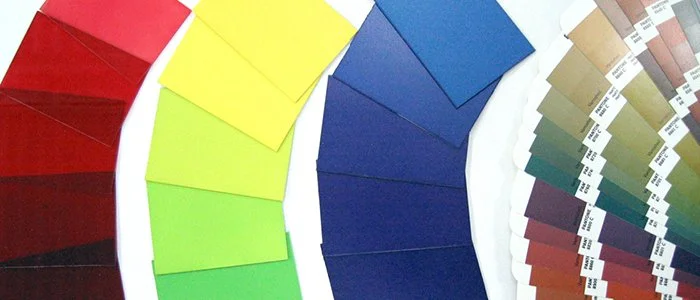
Pantone books are a great starting point, but not always the final answer.
First, there’s the matter of the book itself. Not all Pantone books are the same, and we always ask our clients which edition they have to be sure we’re using the same reference point. Swatches and colors can change and fade over time, too.
Second, and more importantly, Pantone books are printed using inks, while prototypes are finished with paints, dyes, and other coatings. In other words, color may appear different, depending on the process and application.
It is not uncommon for us to send newly developed color samples to our customers for review, allowing them to provide any feedback before paint is applied to their model.
3. Color matching is a hands-on process
Technology has come a long way, but it simply can’t match the discernment of the human eye.
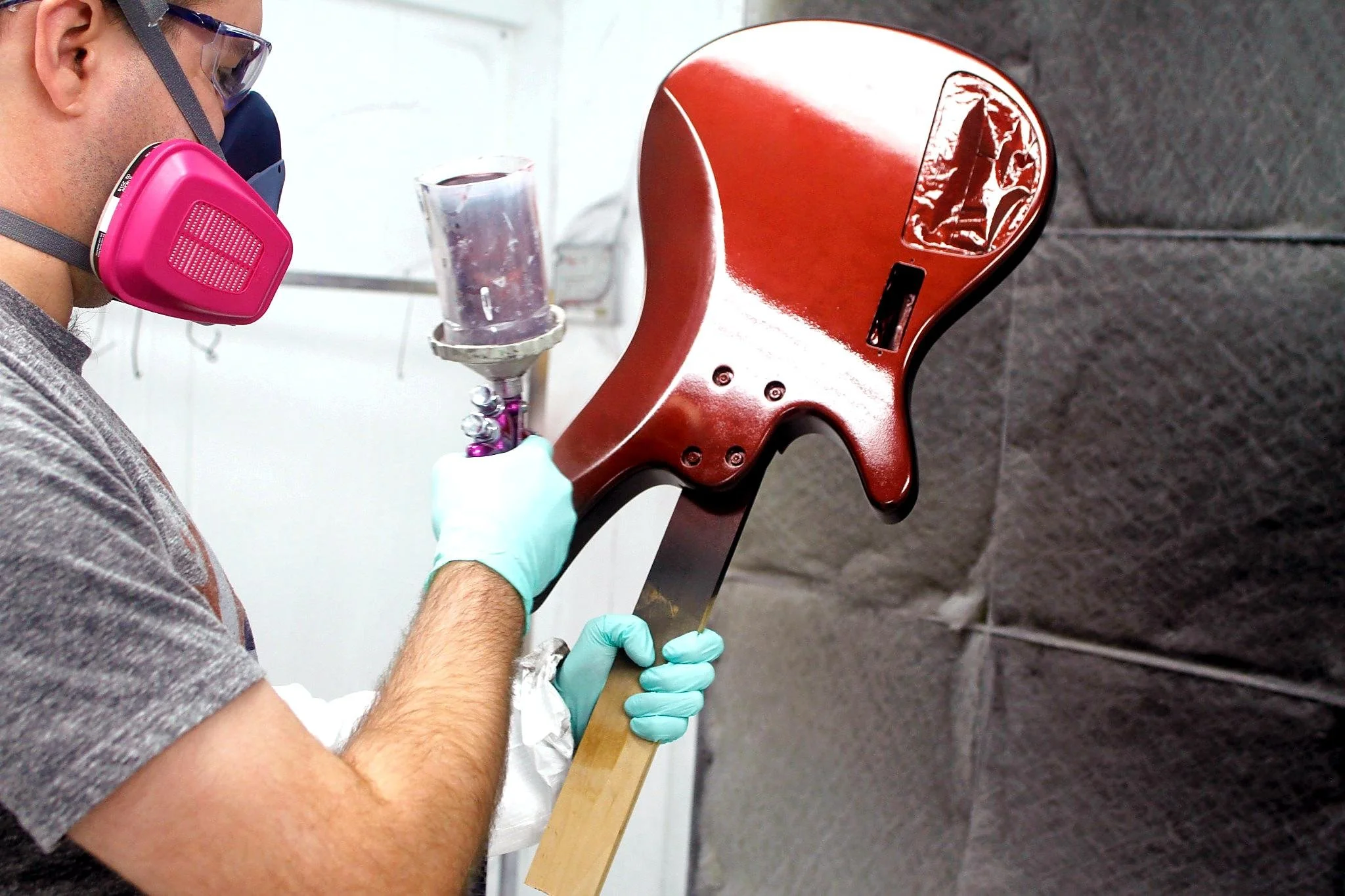
Historically, we have performed all color matching by eye with a crew of trained experts. Anyone at Designcraft who is responsible for mixing colors must have a thorough comprehension of color theory and a good amount of practice working with paints and pigments.
To support and validate our work, we also utilize a spectrophotometer and digital software to compare CIELAB data between target samples and matched finishes—providing an additional layer of insight.
But at the end of the day, we rely on our in-house color experts to make the final call.
4. Getting it right takes time
Creating beautiful finishes takes time; creating extraordinary models takes time. Color development is merely one step in that process.
We go to great lengths to ensure your product is exactly right, the first time, and a lot of behind-the-scenes effort goes into making that happen. Our team is a tenacious partner, considering every detail—down to the glossy finish.