When to swap aluminum for magnesium.
It should come as no surprise that aluminum is the most popular material to machine. If you're an engineer, you know it’s essentially the gold standard of prototyping metal—pun intended—and for good reason. Aluminum is cost-effective, lightweight, easily machinable, and one of the most abundant metals on the planet.
Aluminum is an excellent choice for many things, to be sure.
But it is not the only option, and it is not always the best choice, depending on what you’re manufacturing.
If durability or magnetism is a priority, steel would be a contender. On the other hand, if weight reduction is crucial, you’d be wise to consider magnesium, especially in applications where magnesium CNC machining can unlock significant weight savings without sacrificing precision.
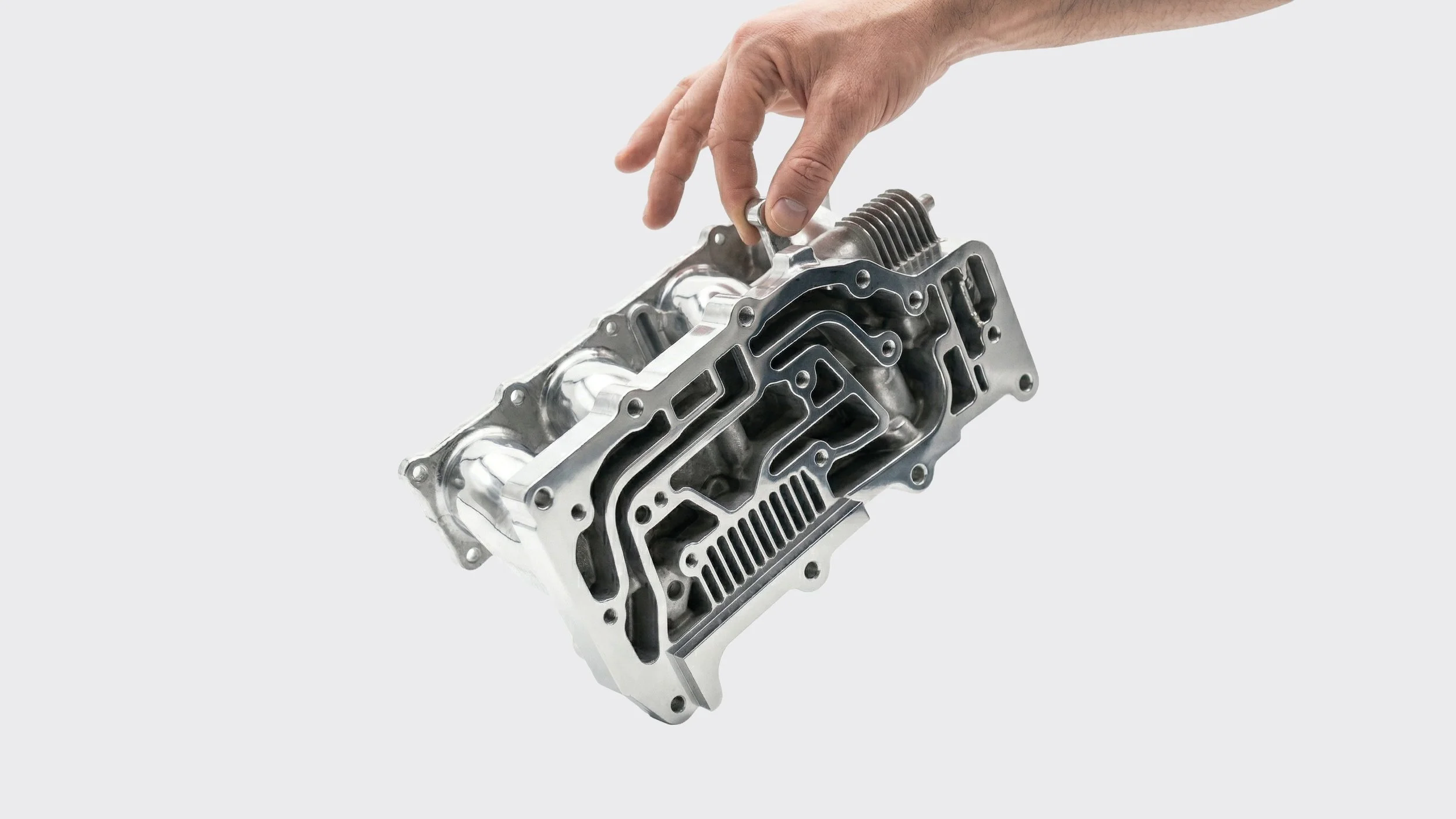
Magnesium: Pros and Cons
Advantages of Magnesium:
The biggest reason to use magnesium over aluminum—or any other metal—is weight reduction. Magnesium is about two-thirds the weight of aluminum, making it an ideal choice when lightness is crucial.
It has an impressive strength-to-weight ratio. Magnesium is roughly 158 kN·m/kg, compared to aluminum (approximately 130 kN·m/kg). That means magnesium can achieve equivalent performance in many cases with up to 33% less weight.
Possible Drawbacks:
In reducing weight, you’re also giving up some strength—magnesium is simply not as strong as aluminum. Yes, magnesium has an impressive strength-to-weight ratio, but if you need a rigid final product, be sure to reinforce the magnesium in your design.
Cost is another factor to consider, as magnesium is generally more expensive than aluminum, both as a raw material and to machine.
Because it’s not used as often, magnesium isn’t as readily available as aluminum. Requiring large quantities could delay production time by a few days, depending on availability and shipping timelines.
Magnesium Applications
Weight, weight, weight.
(We’ll say it again for the people in the back.)
Just about anything that would benefit from being lighter may be better suited to magnesium.
Aerospace
Trains, planes, and auto—nope, wait, just planes.
Anything related to flight should consider magnesium. Airplanes, rockets, satellites, drones, gliders, even a high-end kite, are ideal candidates for magnesium components.

Consider this: A company looking to send 10 components into space has to calculate the weight of those parts, because that weight directly impacts the fuel requirements of the rocket. If those components were made out of aluminum, perhaps only nine would fit on board—not because of space, but because of weight.
Switching to magnesium would reduce weight significantly, allowing capacity for that tenth item and ultimately saving the company money.
Wearables
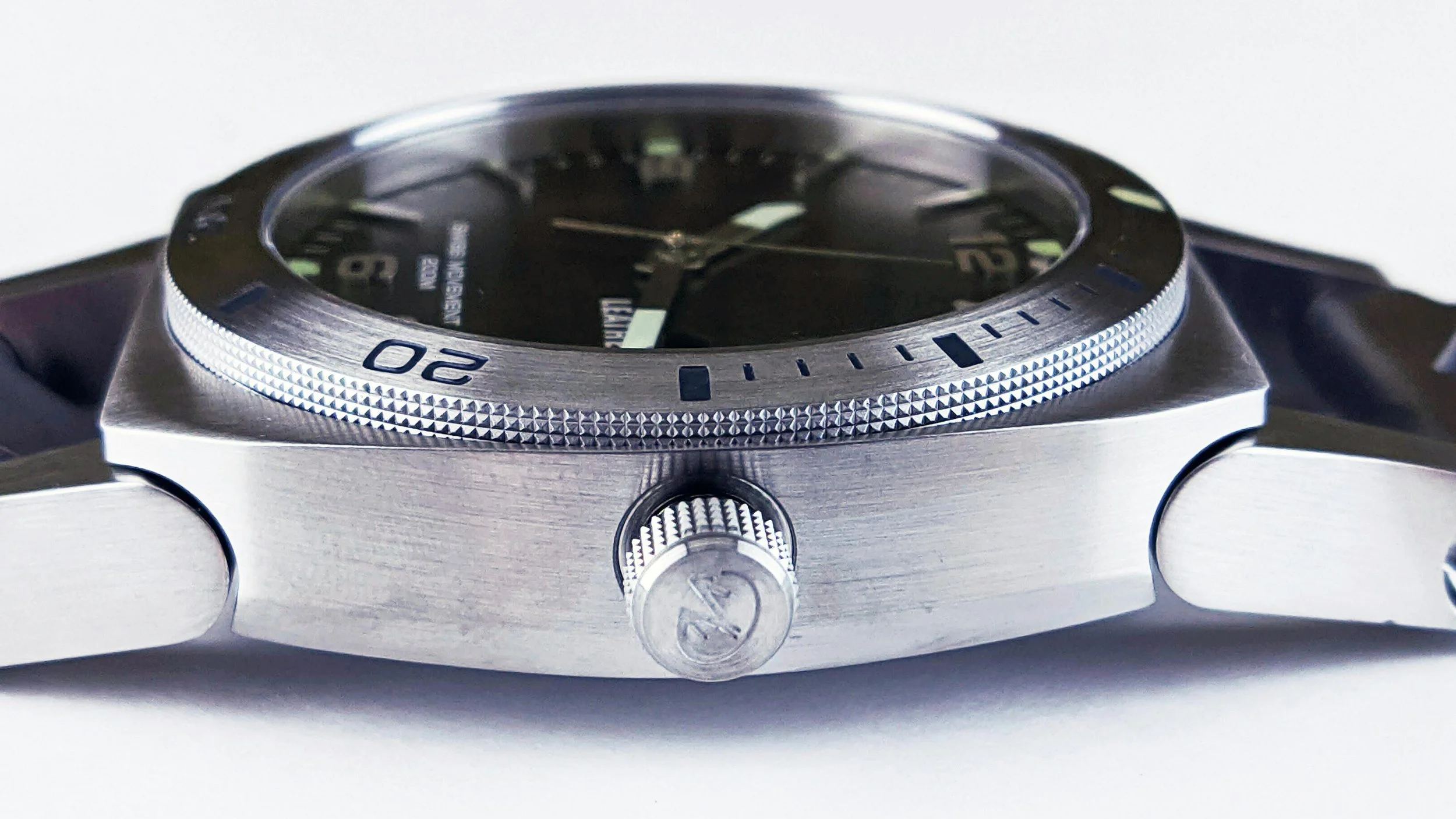
If comfort would improve with lighter weight, then magnesium is the alloy for the job.
Watches, AR glasses, headphones—if it’s on your body and contains metal, then magnesium could be the edge that beats the competition.
It might not sound like much, but even a small reduction in weight can significantly improve all-day comfort for wearables.
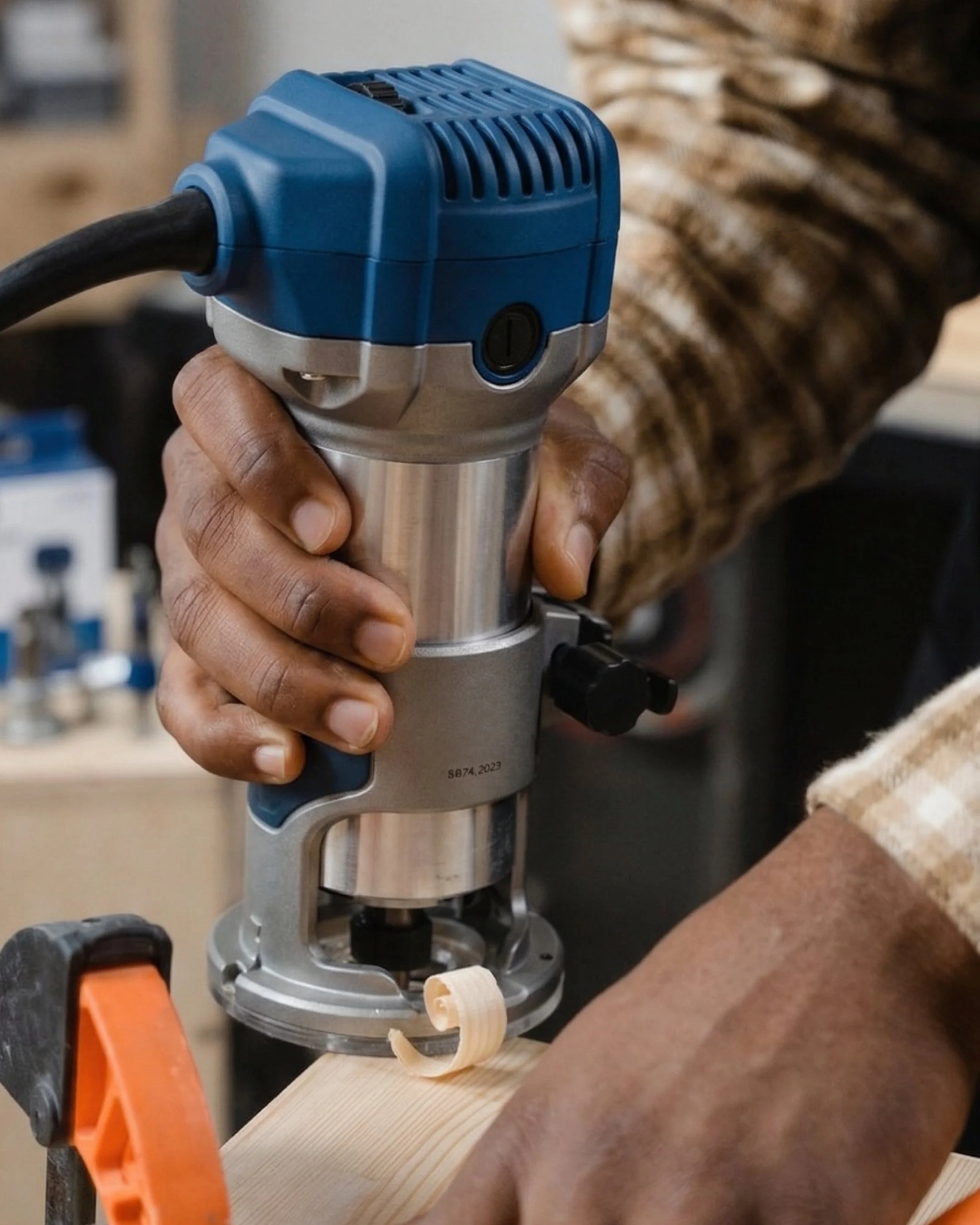
Hand-Held Tools
Working with any kind of hand-held tool day in, day out, can wear on the wrists (and arms, shoulders, and neck).
If a drill, portable band saw, or other handheld tool swapped aluminum for magnesium wherever possible, it could greatly reduce the amount of pressure and stress on the user. Imagine the long-term health benefits of that.
Magnesium in Manufacturing
Magnesium is processed in three ways.
Milling Magnesium
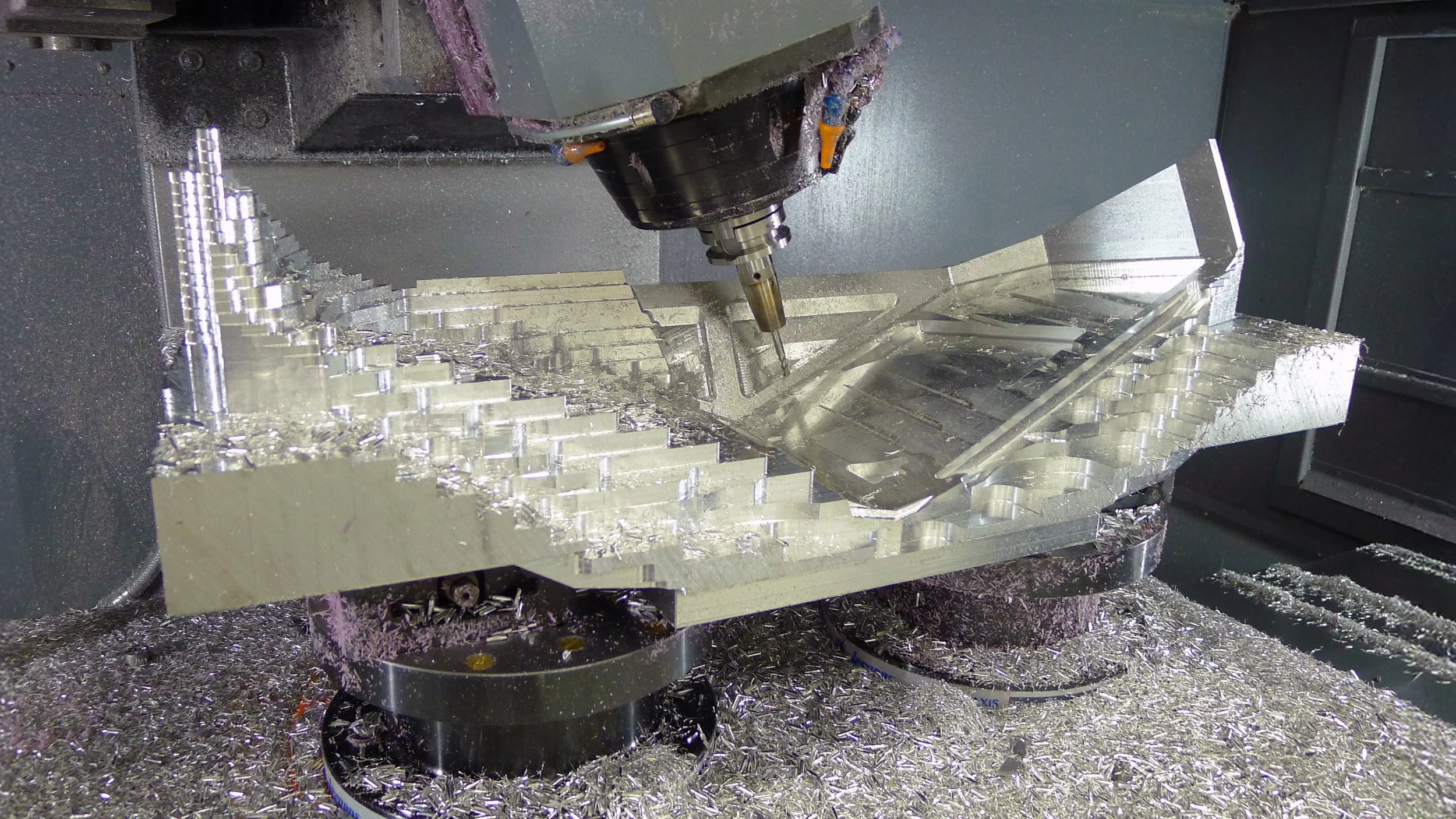
Magnesium can be machined from solid billet—a solid block of material that is either cast or extruded before machining.
CNC milling removes material to achieve the final geometry, much like a sculptor chips at a block of marble to create a statue. It allows for precise dimensions and controlled surface finishes.
Magnesium Extrusion
Magnesium can be extruded into shapes by pushing material through dies, making continuous profiles like rods, tubes, and beams—just like a child’s toys push playdough through a toy die to make spaghetti.
Magnesium Casting
Magnesium can also be formed through casting processes.
Common casting methods include die casting, sand casting, and thixomolding. Casting is typically used to produce complex shapes and near-net components, particularly in higher production volumes. Cast parts often require secondary machining to meet final dimensional or surface finish requirements.
Magnesium and Safety
Unlike aluminum, magnesium is highly flammable, but only in fine particulate form—tiny particles or dust created during machining. These “fines” are produced during CNC machining, which means it requires a careful strategy.
Designcraft’s Approach
To safely machine magnesium, we:
Practice proper housekeeping, including cleaning machines thoroughly between material runs using explosion-proof vacuums to prevent cross-contamination of magnesium with other materials.
Don’t run lights-out production; operations are actively monitored and we immediately address tool wear, breakage, or abnormal conditions that may occur.
Maintain facility-wide safety protocols, including employee training, SDS access, machine-status signage, and established material-specific safety and emergency procedures.
Magnesium Myth: Water
There’s an idea that magnesium can’t be used in applications that may get wet, and that’s not entirely true.
Magnesium does corrode easily, yes. But there is a solution: use a protective coating that prevents corrosion.
Designcraft is confident in its use of both magnesium and the coatings, so you don’t let the fear of corrosion stop you from inquiring about magnesium in your product.
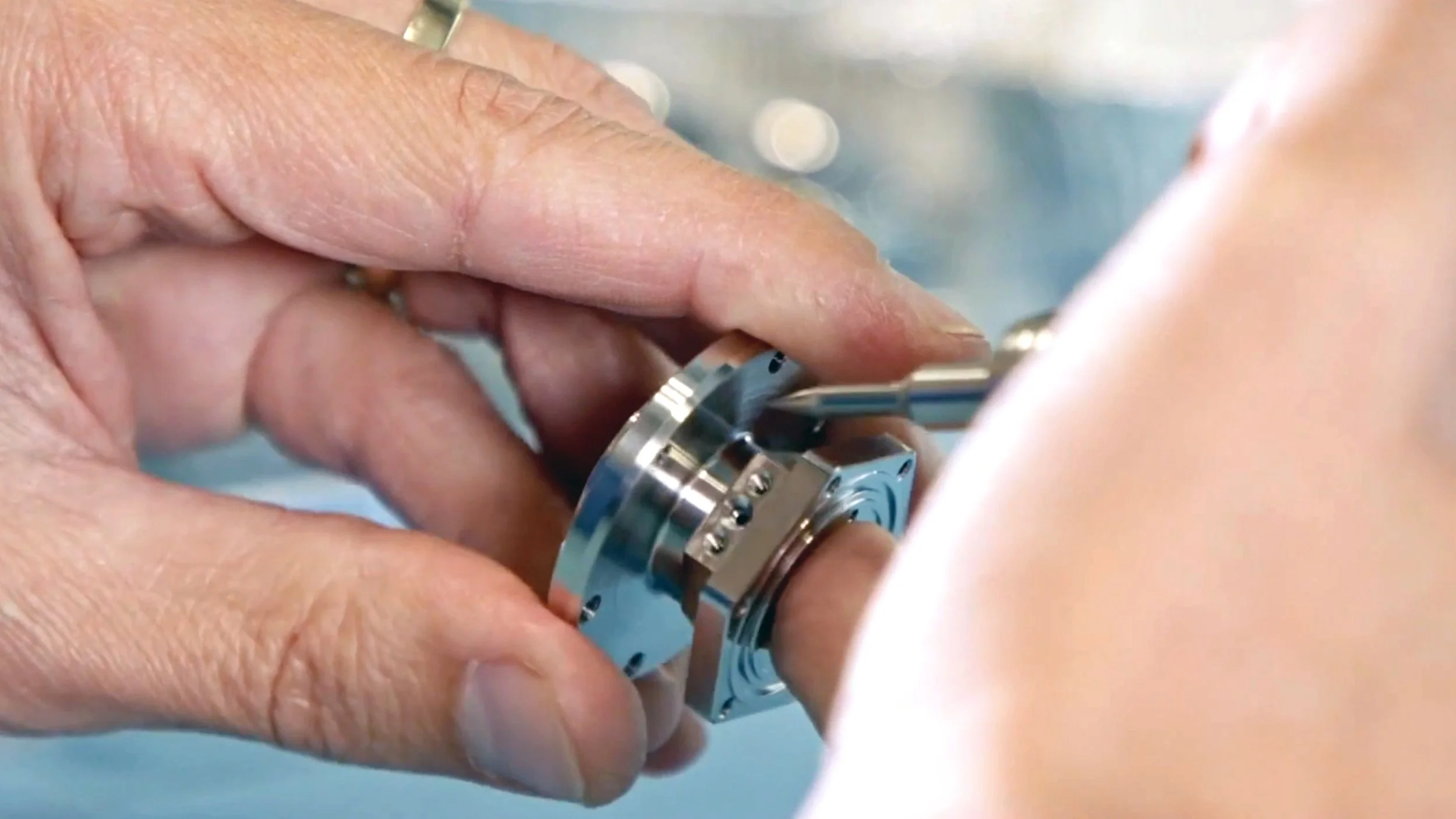
Designcraft and Magnesium
When it comes time to work with magnesium, why choose Designcraft?
Experience
We have years of experience—not just in machining and prototyping in general—but specifically with magnesium.
Capability
We can perform magnesium CNC machining on all our 3-, 4-, and 5-Axis machines.
Here’s why that’s unique:
Traditional machining uses flood coolant—large vats of coolant are beneath the machines, spraying onto parts to keep everything cool. Most shops are built to operate around that system.
But magnesium cannot be machined with traditional flood coolant because of its reactive properties. It requires MQL (Minimum Quantity Lubrication), a much lighter, oil-based lubrication system.
For many prototyping and manufacturing shops, switching to MQL to mill magnesium simply isn’t possible. At Designcraft, our facility includes machines configured for dry machining, flood coolant, and MQL, allowing us to choose the method best suited for each project.
Recycling
Finding a proper channel for recycling magnesium is tricky. Unlike aluminum, recyclers aren’t beating down the door to collect magnesium scrap. It can’t be dropped off at a standard recycling facility and is often a paid service for billet alloys.
Magnesium fines must be carefully recovered and consolidated, which takes time and structure. Designcraft has the processes, systems, and network in place to safely recycle magnesium.
Invested in the Process
Few shops are fully equipped for magnesium CNC machining, but Designcraft is fully committed to the process. We have the network, equipment, and staff to work with it safely and efficiently, effectively realizing your vision, be it as a prototype or manufactured product.