Adding a graphic or image onto a prototype might seem as simple as slapping a sticker on the back of a minivan, but it’s far more complicated than that. Depending on the project, a lot can go into the process of adding branding or graphics to your product.
Here are a few truths about graphics that might surprise you:
1. Graphic application isn’t one-size-fits-all.
Designcraft can apply graphics in several different ways, and we are intentional when choosing which method is best for every application. Each process has its pros and cons, which is where our expertise comes in.
Dry transfers, or rubdowns, are used for crisp, detailed graphics. They offer more control over color and the sharpness of the graphic. We apply them most often to non-flat surfaces. But they can be fragile, so we topcoat them with a clearcoat to protect the graphic and increase durability.
UV printed graphics, on the other hand, are extremely durable. They’re easy to apply and can achieve many colors, gloss levels, and even textures. However, they can only be applied to flat or slightly curved surfaces, and metallics are not an option.
Painted graphics, which are applied using a vinyl mask similar to a stencil, are another durable choice. They’re a good option for solid-color or metallic looks, but not ideal for fine details.
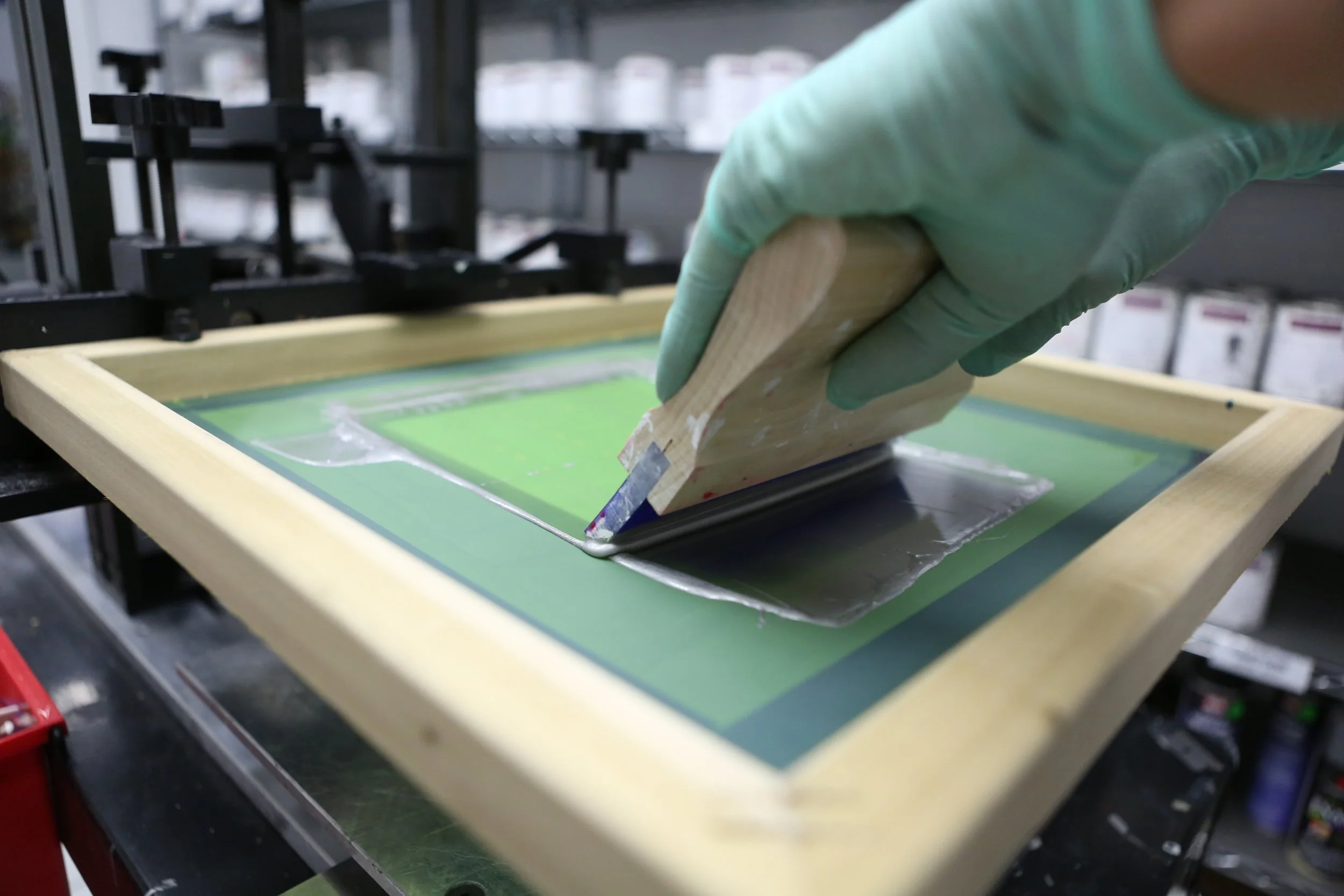
Silkscreening offers another durable result, but it takes more time and is only suitable for flat surfaces.
2. Placement must be considered.
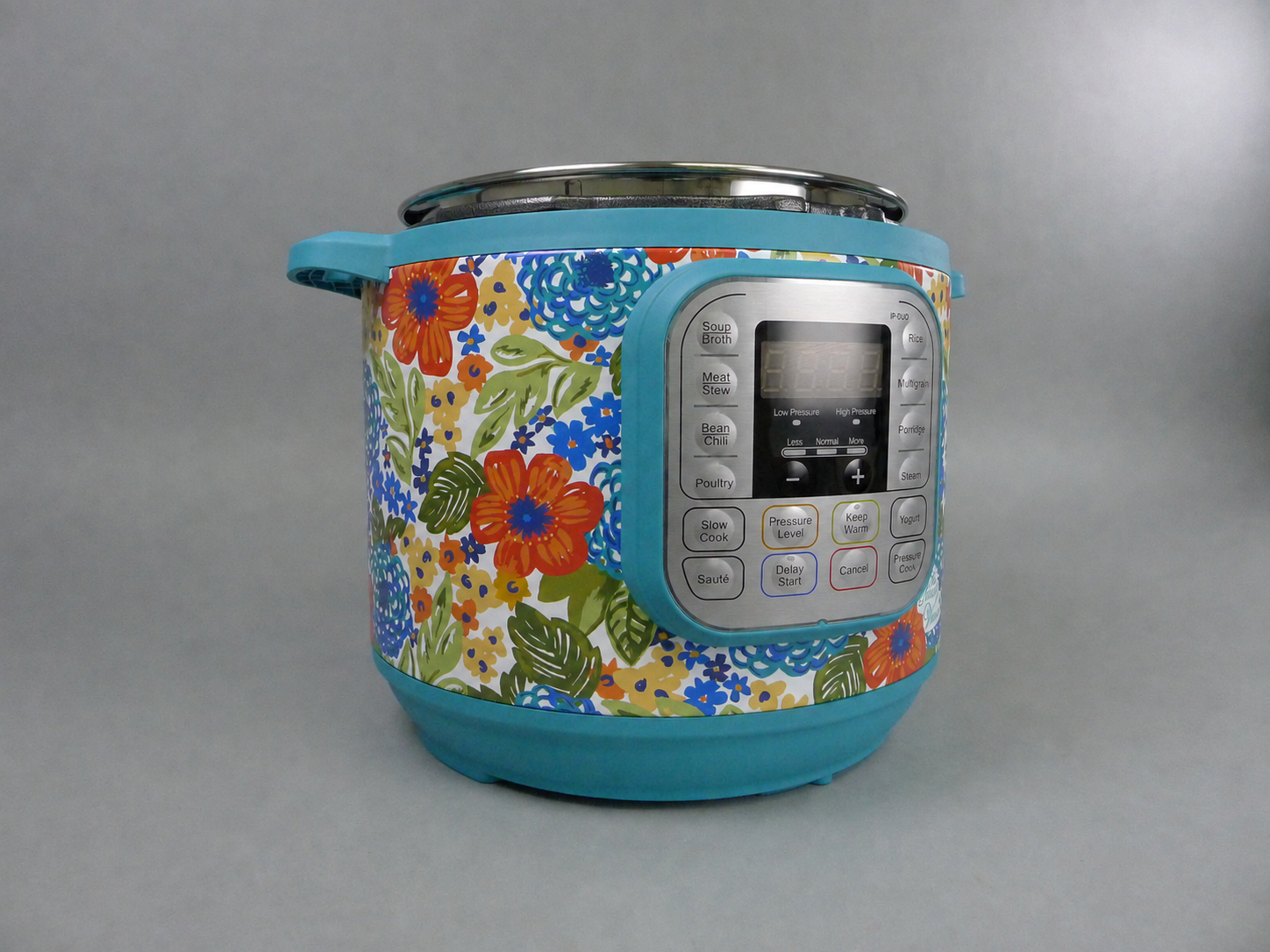
Knowing where the graphic will be placed and how the item will be handled informs our recommendation on which application method to use.
If the graphic is placed in a spot where it will be frequently handled, our team has to take that into consideration. We don’t want the visual aesthetic of a product compromised because of a fading graphic a few months down the road.
3. Gray is surprisingly tricky.
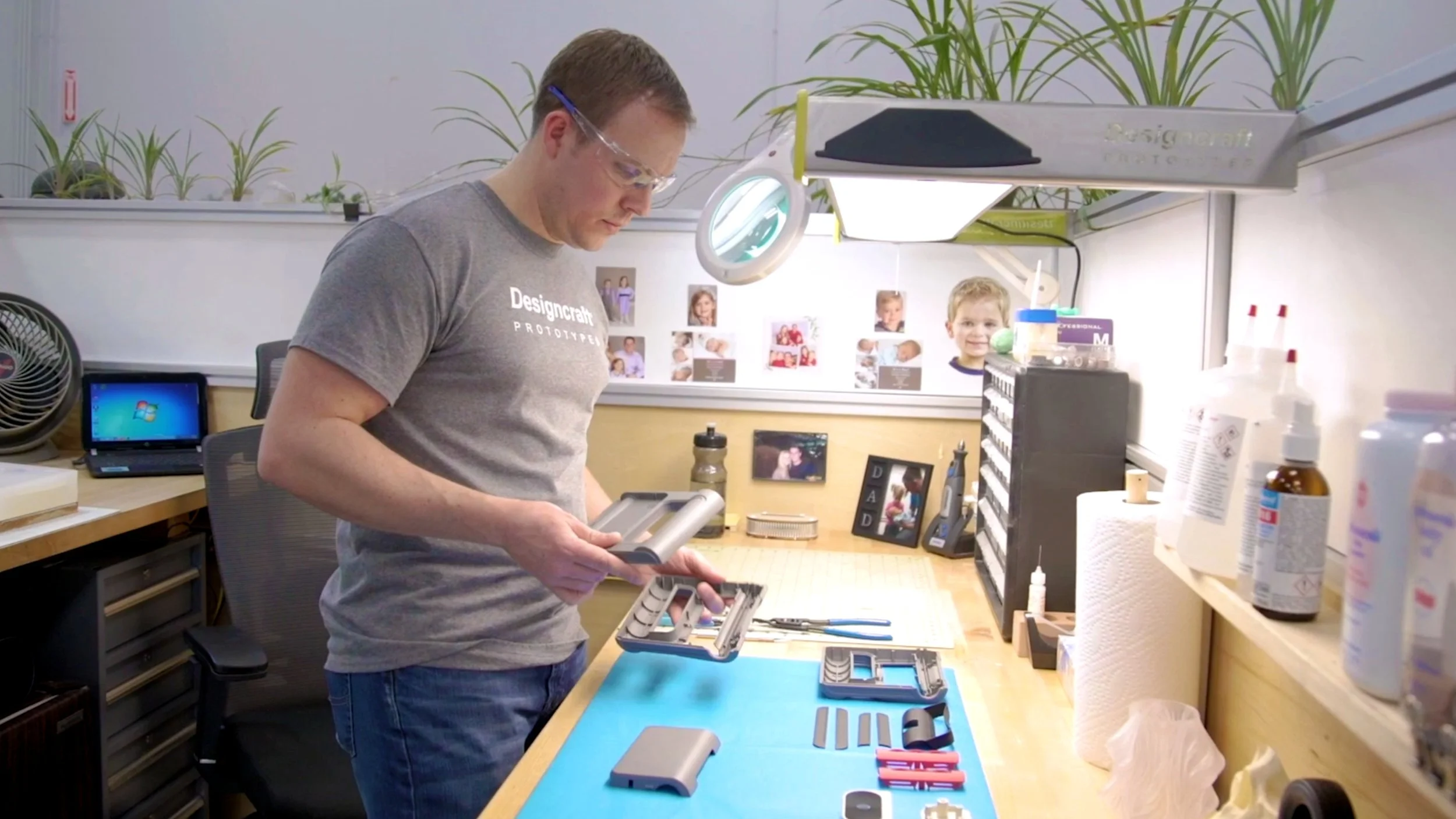
Shades of gray are some of the most popular graphics colors, but they are also the most challenging to reproduce. It’s difficult to match a gray exactly with UV or inkjet printing because it mixes all of the CMYK colors. Instead, grays are usually best applied as rubdowns or silk screen art because those processes use solid color inks.
4. Geometry matters.
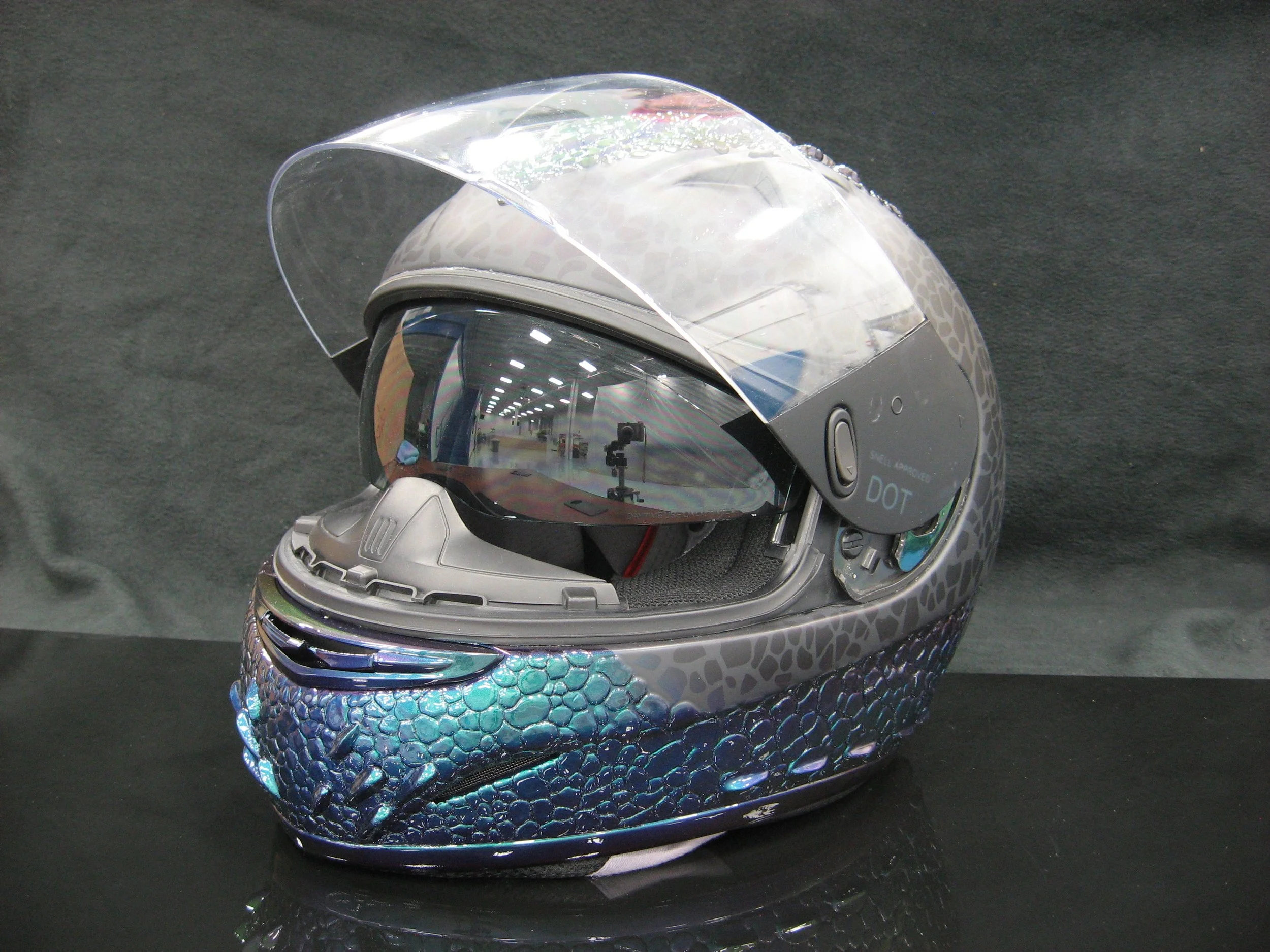
When applying graphics, the shape of the object can be an important factor. Prototypes often have intricate shapes, tight corners, and other complexities that can make adding a graphic a massive hurdle.
Some areas will be difficult to reach or have features in the way; others will need graphics that are durable enough to survive on exposed surfaces that are the most handled.
And after all that? Everything needs to fit and function properly.
5. Application isn’t automated
Our clients sometimes assume adding text or a logo to their prototype is as simple as clicking "print.” But that’s not necessarily the case.
At Designcraft, we create pristine results with the help of meticulous, skilled, human hands. There’s a lot of trial and error that goes into the creation of something that’s never been made before, and we hold ourselves to an extremely high standard.